

Beginner Candle Making Guide: Getting Started with Candle Making for Beginners

Candle making is a rewarding and creative hobby that anyone can enjoy. Whether you want to create beautiful home decor, personalized gifts, or simply enjoy the calming process of crafting, candle making offers endless possibilities. This beginner candle making guide will walk you through the essentials, helping you understand the materials, techniques, and tips to get started confidently.
Beginner Candle Making Guide: Essential Materials and Tools
Before diving into candle making, it’s important to gather the right materials and tools. Having everything prepared will make the process smoother and more enjoyable.
Basic materials you will need:
Wax: The most common types are soy wax, paraffin wax, and beeswax. Soy wax is popular for beginners because it’s easy to work with and eco-friendly.
Wicks: Choose the right wick size and type based on your candle container and wax type. Cotton wicks are a good starting point.
Containers or molds: Glass jars, tins, or silicone molds work well for shaping your candles.
Fragrance oils: Add scents to your candles with essential oils or specially formulated fragrance oils.
Colorants: Use candle dyes or natural colorants to add color to your candles.
Thermometer: To monitor wax temperature for optimal pouring.
Double boiler or melting pot: For safely melting wax.
Stirring utensil: A wooden or metal spoon to mix wax and fragrance.
Wick holders or centering devices: To keep the wick straight while the wax cools.
Having these materials ready will set you up for success in your candle making journey.

Understanding the Candle Making Process
Candle making involves several key steps that you will repeat with each candle you create. Understanding these steps will help you avoid common mistakes and produce beautiful candles.
Melting the wax: Use a double boiler to melt your wax slowly and evenly. Avoid overheating to prevent discoloration or burning.
Preparing the wick: Attach the wick to the bottom of your container using glue dots or wick stickers. Use a wick holder to keep it centered.
Adding fragrance and color: Once the wax reaches the recommended temperature (usually around 180°F for soy wax), add your fragrance oils and colorants. Stir gently but thoroughly.
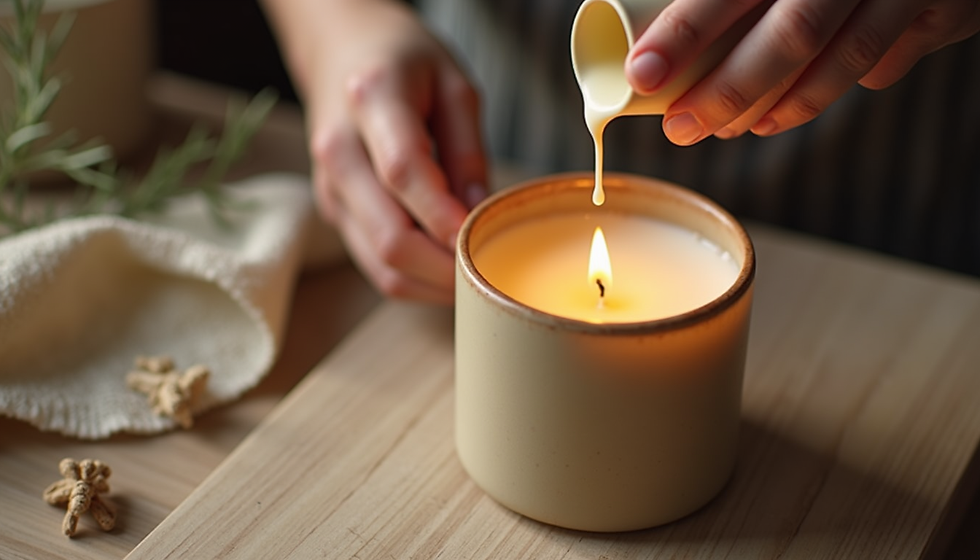
Pouring the wax: Pour the wax into your container slowly to avoid air bubbles. Leave some space at the top.
Cooling and setting: Allow the candle to cool at room temperature. Avoid moving it during this time to prevent cracks or uneven surfaces.
Trimming the wick: Once the candle is fully set, trim the wick to about 1/4 inch for safe burning.
By following these steps carefully, you will create candles that look professional and burn well.
How do you start making candles for beginners?
Starting candle making can feel overwhelming, but breaking it down into manageable steps makes it easier. Here’s a simple approach to get you started:
Choose your wax: For your first candle, soy wax is recommended because it melts at a lower temperature and is less messy.
Select a container: Pick a small glass jar or tin to practice with.
Pick a wick: Use a pre-tabbed cotton wick sized for your container.
Gather fragrance and color: Start with one fragrance oil and a basic dye chip or liquid dye.
Set up your workspace: Cover your surface with newspaper or a silicone mat to catch spills.
Melt the wax: Use a double boiler or a microwave-safe container in short bursts.
Add fragrance and color: Mix in your chosen scent and color once the wax is melted.
Pour and cool: Pour the wax into your container, secure the wick, and let it cool undisturbed.
Test your candle: Light your candle to see how it burns and make notes for your next batch.
Starting small and simple allows you to learn the basics without feeling overwhelmed. As you gain confidence, you can experiment with different waxes, scents, and decorative techniques.

Tips for Perfecting Your Candle Making Skills
As you practice candle making, keep these tips in mind to improve your results:
Measure wax and fragrance carefully: Too much fragrance can cause poor burning, while too little results in weak scent.
Monitor temperatures: Use a thermometer to ensure wax is poured at the right temperature for your wax type.
Use the right wick size: A wick that is too small will cause tunneling, while one that is too large can create soot.
Avoid drafts: Cool your candles in a draft-free area to prevent uneven surfaces.
Experiment with additives: Try adding dried flowers, herbs, or glitter for decorative effects.
Keep safety in mind: Never leave melting wax unattended and work in a well-ventilated area.
By applying these tips, you will create candles that are both beautiful and functional.
Exploring Creative Candle Making Ideas
Once you have mastered the basics, candle making offers endless creative possibilities. Here are some ideas to inspire your next projects:
Layered candles: Pour different colored wax layers for a striped effect.
Scent blends: Mix complementary fragrance oils to create unique aromas.
Decorative embeds: Add dried flowers, herbs, or small charms inside clear candles.
Themed candles: Create candles for holidays, birthdays, or special occasions with matching scents and colors.
Personalized labels: Design custom labels for gifts or your own candle brand.
Experimenting with these ideas will keep your candle making hobby exciting and allow you to develop your own style.
If you want to learn more about candle making for beginners, this guide is a great place to start your creative journey.
With patience and practice, candle making can become a fulfilling craft that brightens your home and your life. Enjoy the process and let your creativity shine!

Comments